car repair insurance companies: features, safety, and long-term impact
What they actually cover
These policies pick up repair bills after sudden mechanical or electrical failure. Not routine maintenance. Not cosmetic fixes.
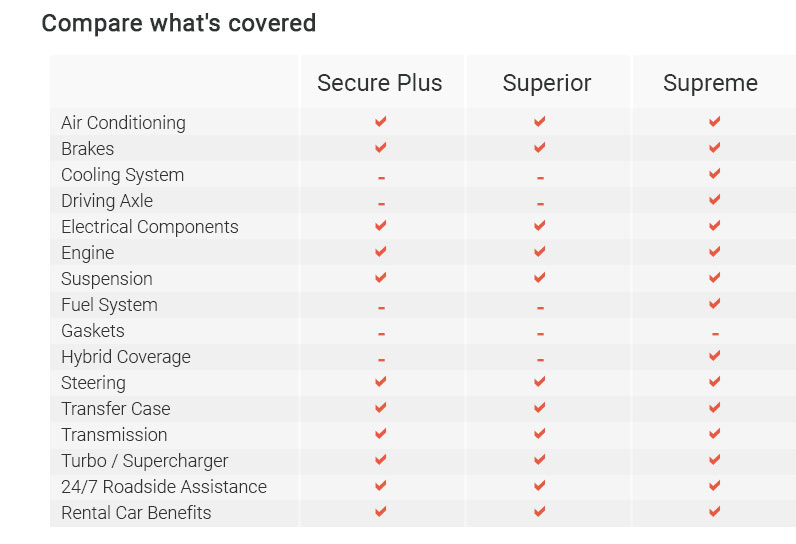
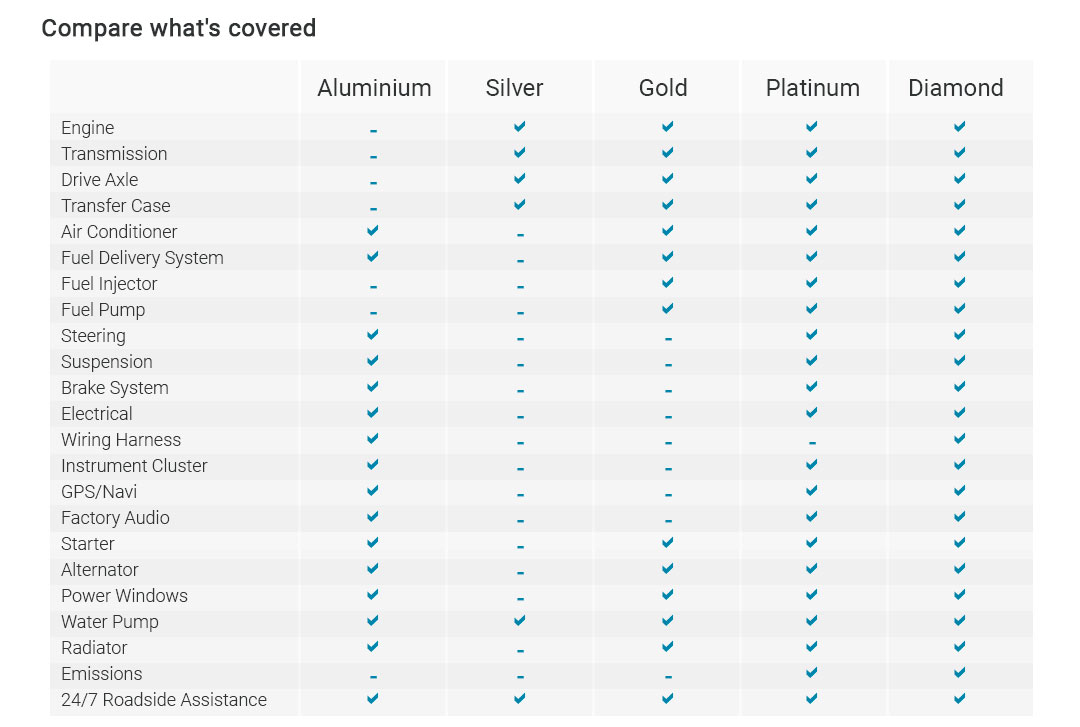
- Powertrain: engine, transmission, drive axles.
- Electronics: sensors, infotainment modules, ECUs.
- Cooling and fuel: pumps, radiators, injectors.
- Steering and suspension: racks, control arms, air struts.
- Extras: roadside assistance, towing, and sometimes rental reimbursement.
Wear items - brakes, wiper blades, tires - usually fall outside the net.
How companies differ
Names vary, but the mechanics are similar. The deltas sit in the fine print.
- Networks: preferred shops speed approvals; open choice may require pre-authorization.
- Parts policy: OEM vs aftermarket vs remanufactured. This matters for fit, safety systems, and resale.
- Diagnostics: some cover scan time; others treat it as your cost unless a covered repair follows.
- Labor rates: capped or "prevailing market." Caps can leave a gap at high-cost urban shops.
- Telematics: select plans use vehicle data to verify failure, shaving hours off approvals.
Safety-first benefits
Done well, coverage is more than bill-paying - it's risk control.
- Verified shops with torque specs, repair procedures, and post-repair road tests.
- Pre/post scans to confirm system health and clear fault codes.
- ADAS calibration after windshield, bumper, or suspension work - small step, big safety gain.
- Recall checks rolled into intake so critical fixes aren't missed.
Costs, deductibles, and limits
Pricing reflects vehicle age, mileage, and tech complexity.
- Deductibles: per visit or per component. Per visit is simpler.
- Coverage caps: per claim and lifetime. Know both numbers.
- Waiting periods: common on new contracts to deter pre-existing failures.
- Rental and towing: daily limits apply; upgrade costs are on you.
Claims workflow
- Breakdown or fault light appears; you contact the carrier or use the app.
- Tow to a network shop or your choice (with authorization).
- Diagnosis written; shop submits estimate with labor times and parts.
- Adjuster approves, revises, or requests teardown photos and scan logs.
- Repair proceeds; payment goes direct to shop minus your deductible.
A quiet real-world moment
Late evening, a battery icon flickered. I pulled into a grocery lot, opened the insurer's app, tapped "tow." Twenty-five minutes later the car was on a flatbed; the alternator test and approval arrived before the shop closed.
Pragmatic caveats
- Missed maintenance can void a claim; keep receipts and service logs.
- Pre-existing issues and modified parts are commonly excluded.
- Parts shortages stretch timelines; rental benefits may end before repairs do.
- Some policies require the failed part to be retained for inspection.
Who might benefit
- High-mileage commuters seeking predictable costs and uptime.
- Owners of tech-heavy vehicles where a single module can exceed a month's rent.
- Used cars just out of factory warranty, especially turbo or air-suspension models.
- Families prioritizing safety checks bundled with repairs.
Questions to ask
- Are diagnostics and calibrations covered or capped?
- What labor rate and shop choice rules apply in my ZIP code?
- Which parts quality is authorized by default, and can I opt for OEM?
- How are wear-related failures handled when they trigger other damage?
- What's the claim cap per visit and across the policy term?
Long-term impact
Consistent, documented repairs protect safety systems today and resale value later. A clean paper trail helps buyers - and you - trust the car at highway speed. Over years, the right policy trades volatility for steady costs; the wrong fit just adds friction.
Quick comparison signals
- Transparency: sample contracts online, not just brochures.
- Turnaround: average approval times published by region.
- Calibration coverage: explicit wording for ADAS and post-scan steps.
- Dispute path: escalation beyond the shop advisor, in writing.
Look for a company that treats safety procedures as non-optional, accepts evidence-based diagnostics, and shows its limits up front. Quiet competence beats flashy promises.